Biographies of all the Presidents of the Geographical Association since the founding of the Association in 1893. Researched by Alan Parkinson (GA President 2021-22), with contributions from others, including the former Presidents themselves where possible.
Hands up who remembers these.... does anyone have memories of their use in the classroom? I remember the cassette tape with the beeps to tell you when to move the slide on by turning the reels.
During the 1930s, a new classroom aid appeared in the shape of educational films.
The 1928 conference saw the arrival of some work in this area as having great potential.
This was spearheaded by a future GA President: James Fairgrieve.
Fairgrieve worked with volunteers to explore the potential of cinema, even hosting an event at the Annual Conference in 1928.
People like Jon Grierson started to make documentary films, which had more geographical potential than other films. Films like 'Night Mail' (1936) were the result of his work. These were less than 30 minutes and were useful in the classroom. Modern teachers like short clips rather than feature length films (unless it's the last week of term).
Fairgrieve worked widely with London based teachers to promote the use of films.
Radio broadcasts were also started around this time too. I remember tuning in to the assembly at Primary school, and having the programme lead what we did.
In 1931, Fairgrieve wrote about the use of films.
This was well before Bernard Clarke and the rest... References
“How B.B.C. Lectures and Films Are Utilised.” Geography, vol. 15, no. 8, 1930, pp. 672–672. JSTOR, www.jstor.org/stable/40559754.
Fairgrieve, J. “USE OF BROADCASTING IN TEACHING GEOGRAPHY IN SCHOOLS.” Geography, vol. 16, no. 1, 1931, pp. 34–44. JSTOR, www.jstor.org/stable/40557798.
This is an area which the development of the GA was linked with from the beginning.
I have previously blogged about Emily Haye's article and PhD thesis on the lantern slide, and its link with the work of the RGS and the support of teachers.
Halford Mackinder was a proponent of the visual method, and used visuals in his many lectures.
In his entry, I wrote about a speech he delivered called "On the scope and purpose of Geography".
The Diagram Company was set up to loan, and then sell, copies of lantern slides and accompanying notes.
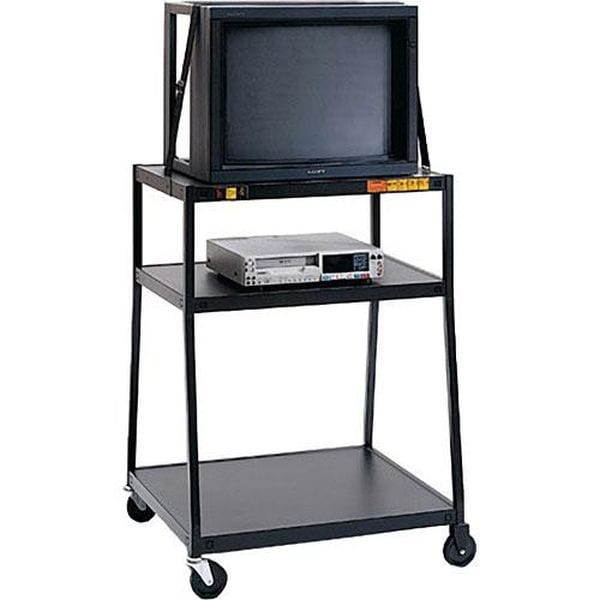
In turn, these would become the film strips which I remember from my own schooling, which then became the VHS cassettes and the TV in the cage.
Here's one that was in my department when I first started teaching in the 1980s, from a company called 'Pictorial Charts'. There were also the 'Common Ground' filmstrips. I'll share some more images of these film strips later in the blog, when we get to the era where they started to be used in more detail and appearing in books written by GA Presidents.
MACKINDER, H. J. “THE TEACHING OF GEOGRAPHY FROM AN IMPERIAL POINT OF VIEW, AND THE USE WHICH COULD AND SHOULD BE MADE OF VISUAL INSTRUCTION.” The Geographical Teacher, vol. 6, no. 2, 1911, pp. 79–86. JSTOR, www.jstor.org/stable/40554112.


 This is an area which the development of the GA was linked with from the beginning.

